
Does Medicare Cover That? Dental, Vision, Hearing, and Other Surprises
By Logan Steele · June 23, 2026 · 6 min read
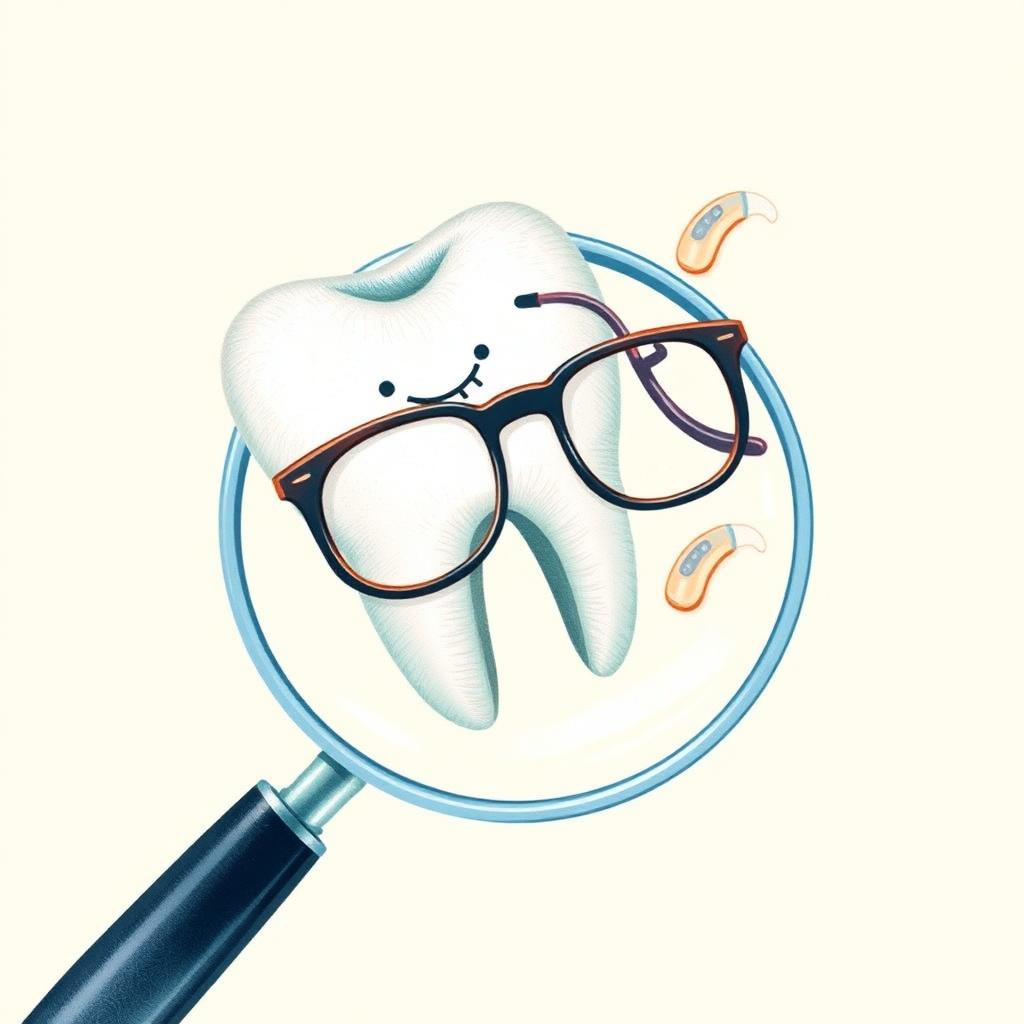
Most people assume Medicare is the catch-all that takes over at 65. Then they go to the dentist. Or the optometrist. Or shop for a hearing aid. And the realization arrives: Original Medicare leaves some surprisingly big gaps.
None of these are secrets. They're just rarely explained until you're sitting in the chair holding the bill.
Dental — almost entirely on you
Original Medicare does not cover routine dental care: cleanings, fillings, extractions, dentures, crowns, or root canals. The only time it pays is when dental work is medically necessary as part of a covered procedure (e.g., a jaw exam before heart surgery).
Most Medicare Advantage plans include a dental allowance — often $1,000–$3,000/year — which sounds great until you discover most crowns alone cost that much. Standalone dental policies are an option for people on Original Medicare.
Vision — exams for disease only
Original Medicare covers eye exams that diagnose disease (glaucoma, macular degeneration, diabetic retinopathy) and one pair of glasses after cataract surgery. That's it. Routine vision exams, glasses, and contacts? Not covered.
Advantage plans typically bundle a basic vision benefit. Standalone vision plans exist and are cheap — usually $10–$20/month.
Hearing aids — the big one
Original Medicare covers hearing exams ordered by a doctor to diagnose a medical issue, but not hearing aidsor the fittings for them. Given that hearing aids run $2,000–$6,000 per pair, this is the gap that surprises people most.
Many Advantage plans now include a hearing-aid allowance. The new over-the-counter hearing aid category has also dropped prices significantly for mild to moderate loss.
Long-term care — none of it
This is the biggest myth in retirement planning. Medicare does not cover long-term custodial care — the help with bathing, dressing, and daily living that most assisted living and nursing homes provide. It covers a limited stay in skilled nursing only after a qualifying hospital stay, and only for a short rehabilitation window.
Long-term care is either paid out of pocket, through a long-term care insurance policy, or — once you've spent down — through Medicaid. Plan for it on purpose, not by accident.
Care outside the U.S.
Original Medicare almost never pays for care received outside the country. A handful of Medigap plans (Plans C, D, F, G, M, N) include a foreign travel emergency benefit up to $50,000 lifetime. Travel medical insurance is cheap and worth it for any trip abroad.
The other quiet gaps
- Cosmetic surgery — unless it's reconstructive after injury or covered surgery.
- Routine foot care — diabetic foot care is covered; basic toenail trimming is not.
- Acupuncture — covered only for chronic low back pain, up to a limit.
- Most chiropractic care — only manual spinal manipulation for subluxation.
- Concierge medicine fees — Medicare pays the doctor's normal rates; you pay the membership fee.
Medicare is built around "medical" — illness, injury, and treatment. It's not built around maintenance — teeth, eyes, ears, and long-term daily living. Knowing the line in advance lets you fill the gaps with the right product instead of the first available one.
The takeaway
If dental, vision, hearing, or long-term care matters to you (and it should), build that into your plan choice from the start. Sometimes that means a Medicare Advantage plan with built-in benefits. Sometimes it means Original Medicare + Medigap and a couple of small standalone policies. Sometimes it means a separate long-term care conversation entirely.
Educational only — not medical or legal advice. Coverage varies by plan and changes annually.